
Best Pool Cues in October 2026
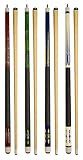
Set of 4 Pool Cues New 58" Billiard House Bar Pool Cue Sticks (SET15~18)
- 4 PREMIUM 58 CUES FOR AN UNBEATABLE VALUE IN EVERY GAME NIGHT.
- DURABLE HARDWOOD & 13MM LEATHER TIPS FOR PRECISION & PERFORMANCE.
- STUNNING OVERLAY DESIGN ADDS STYLE TO YOUR POOL TABLE EXPERIENCE.


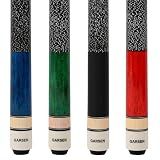
GARSEN Billiard Canada 6A Maple Set of 4 Pool Cue Stick 58 inch
-
STRENGTH & DURABILITY: PREMIUM CANADIAN MAPLE FOR LASTING PERFORMANCE.
-
ARTFUL TECHNOLOGY: 3D PRINTED WITH SKILLED CRAFTSMANSHIP FOR SEAMLESS PLAY.
-
CUSTOM WEIGHT OPTIONS: FINE-TUNE CUE WEIGHT FOR ULTIMATE CONTROL AND POWER.
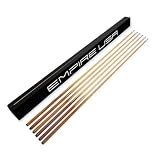
Empire USA Pool Cues 57" One-Piece Billiard Cue Sticks
- PERFECT FOR GROUP PLAY: 6 CUES FOR UNINTERRUPTED FUN WITH FRIENDS!
- DURABLE HARDWOOD: STRONG, ONE-PIECE DESIGN ENSURES LONG-LASTING USE.
- IDEAL FOR ALL SETTINGS: VERSATILE FOR HOME, BARS, AND COMMERCIAL SPACES.
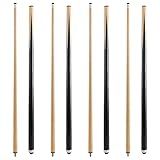
HMQQ Pool Cue Stick/Billairds cue Stick Pool Stick 58" Set of 2/Set of 4 /Set of 4 20OZ, 48" Set of 2/ Set of 4, with Different Weight/Size/Quantity (58" Set of 4)
-
SIZE OPTIONS FOR EVERYONE – PERFECT CUES FOR TEENS TO ADULTS, ANY GAME ROOM!
-
CUSTOMIZABLE WEIGHTS – CHOOSE 17-20OZ CUES FOR CONTROL AND POWERFUL BREAKS.
-
BUILT TO LAST – DURABLE HARDWOOD AND QUALITY TIPS ENSURE SMOOTH PERFORMANCE.
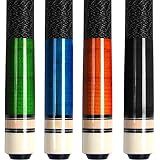
AKLOT Pool Cues,Set of 4 Pool 58" Cue Sticks Canadian Maple Wood Cue Stick for Professional Billiard Players 18 19 20 21 oz
- MEET DIVERSE PLAYER NEEDS WITH 4 WEIGHTS: 18-21 OZ CUES.
- DURABLE CANADIAN MAPLE WITH HAND-POLISHED, DYED FINISH.
- UPSCALE CARBON FIBER DESIGN AND REAL IRISH LINEN WRAP.
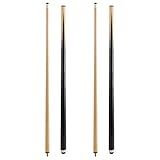
HMQQ Pool Cue Stick/Billairds cue Stick Pool Stick 58" Set of 2/Set of 4 /Set of 4 20OZ, 48" Set of 2/ Set of 4, with Different Weight/Size/Quantity (58" Set of 2)
-
VERSATILE SIZES: CHOOSE FROM 42, 48, OR 58 CUES FOR ALL PLAYERS.
-
WEIGHT OPTIONS: SELECT 17-20OZ CUES FOR CONTROL AND POWERFUL BREAKS.
-
DURABLE DESIGN: SOLID HARDWOOD BUILD AND 1-YEAR WARRANTY FOR PEACE OF MIND.
A cue that’s even 0.5 mm off at the tip can change how your shot throws, especially on long cuts and spin-heavy position play. That’s why the Ultimate Guide to Cues for Pool in 2026 matters more than ever: cue design has become more specialized, shaft tech is more varied, and buyers now have far more choices than they did even three years ago.
If you’ve ever borrowed a house cue, missed three stop shots in a row, and blamed your stroke, you’re not imagining things. Cue weight balance, shaft deflection, tip hardness, and taper all affect how the cue ball reacts. This guide breaks down what actually matters, which cue features are worth paying for, and how to buy the right pool cue for your budget and playing style.
How we select products: Our team reviews cues and billiards gear regularly, analyzing customer ratings, construction specs, warranty terms, pricing trends, and real buyer feedback. We prioritize options with 4.0+ star averages, consistent build quality, and feature sets that match how players actually improve at the table.
Why does the Ultimate Guide to Cues for Pool in 2026 look different from older buying guides?
Pool cues in 2026 aren’t just “cheap beginner cue” versus “expensive custom cue.” The real split now is between low-deflection shafts, traditional maple-feel cues, break-specific builds, and all-purpose player cues tuned for league play.
Ten years ago, many recreational players used 12.75 mm to 13 mm shafts by default. Today, more players are choosing 11.8 mm to 12.5 mm for better cue-ball control, especially if they use english frequently. That shift alone has changed how you should shop.
You’ll also see much better joint consistency, wrap options, and finish quality in mid-range cues than in previous buying cycles. For a buyer, that’s good news: you no longer need a top-tier budget to get a straight cue with a decent tip, stable shaft, and reliable hit.
What should you look for before buying a pool cue in 2026?
The Ultimate Guide to Cues for Pool in 2026 comes down to matching the cue to your stroke, not buying the flashiest butt design. Here are the five specs that actually matter.
1. What shaft diameter helps you control the cue ball best?
Shaft diameter changes feel immediately.
- 13 mm: more traditional, forgiving feel for newer players
- 12.5 mm: strong middle ground for all-around play
- 11.8–12.2 mm: more precision and easier spin access, but less forgiving on off-center hits
If you mostly play bar-box 8-ball and want consistency, 12.4 mm to 12.75 mm is the safest zone. If you’re focused on cue ball action and finesse, thinner shafts can feel more responsive.
2. How much cue weight is ideal for most players?
Most playing cues fall between 18 and 21 ounces, with 19 ounces still the most common starting point. For many players, 19 oz offers the best compromise between touch and stability.
Heavier doesn’t mean more power. In fact, players who move from 20–21 oz down to 18.5–19 oz often report smoother speed control on lag shots and soft stun shots.
3. Which tip hardness should you choose?
Tip hardness affects grip on the cue ball and how the hit feels in your hands.
- Soft tips: grab the cue ball better, need more maintenance
- Medium tips: best all-around option for most players
- Hard tips: crisp hit, less mushrooming, often favored for break cues
For a first serious purchase, medium is the safest call. It gives you predictable feedback without forcing constant shaping.
4. Does low-deflection really make a difference?
Yes, especially if you use sidespin. A low-deflection shaft reduces cue-ball squirt, so your aim adjustments are smaller on spin shots.
That doesn’t mean it fixes bad mechanics. But if you miss the same outside-english cut repeatedly, moving to a lower-deflection shaft can make that miss pattern noticeably smaller.
5. Which joint and wrap options affect feel the most?
Joint style changes how energy transfers through the cue. Some feel stiffer and sharper; others feel softer and more muted.
Wrap choice matters too:
- Irish linen-style wrap: drier grip, classic feel
- Leather-style wrap: tackier, slightly fuller in hand
- Wrapless: direct feedback, popular with players who like a cleaner connection
If possible, test at least two wrap styles before buying. Players often obsess over shaft specs but ignore the grip area they touch every shot.
Ultimate Guide to Cues for Pool in 2026: best options by budget
Budget matters, but not in the way many buyers assume. The biggest jump in playability happens when you move from warped bar cues or ultra-cheap novelty cues into a properly built entry-level player cue.
Best cues under the entry-level budget range
This range is best for casual home-table use, backups, or true beginners. You want straightness, a decent ferrule, and a tip that doesn’t glaze over after a week.
Look for:
- Straight-roll consistency on delivery
- A shaft made from seasoned wood or a stable composite alternative
- Weight options around 18–20 oz
- At least a 30-day return window
- Buyer ratings above 4.1 stars
The biggest risk here is inconsistent tip quality. Review patterns often show that lower-priced cues play acceptably out of the box but may need a tip replacement sooner than expected.
The mid-range sweet spot where most players should shop
For most league players, this is the smartest place to buy. This tier usually adds tighter tolerances, better shaft finish, improved joint fit, and more reliable balance.
You’ll often get:
- Better cue straightness over time
- A more consistent taper
- Cleaner finish work around the joint collar and butt cap
- More refined weight bolt systems
- Stronger warranty support
If you play once a week or more, this is where value peaks. In buyer feedback, this tier usually has the best ratio of long-term satisfaction to cost.
Premium picks for serious league and tournament players
Premium cues are about precision, materials, and feel preferences rather than raw “make more balls” magic. You’re paying for tighter craftsmanship, advanced shaft engineering, and more tailored hit characteristics.
That said, premium only makes sense if you can describe what you want: stiffer hit, lower deflection, thinner taper, more forward balance, or a wrapless handle. If you can’t name those preferences yet, the extra spend usually won’t help much.
How We Picked These cue recommendations and buying factors
Any Ultimate Guide to Cues for Pool in 2026 should explain methodology, because billiards buyers get burned by flashy listings all the time. We looked at the same indicators experienced players tend to trust after years around pool rooms.
Our selection criteria included:
- User ratings of 4.0 stars or higher
- Review depth, not just average score
- Build details like shaft diameter, tip type, joint style, and weight range
- Signs of long-term durability, especially finish cracking and warp complaints
- Return and warranty patterns where available
We also looked for repeated review language. If dozens of buyers say the same cue feels “butt-heavy,” “too slick,” or “surprisingly straight,” that pattern matters more than one perfect score.
For extra background on materials and shaft construction, you can compare outside commentary at techmoney177.blogspot.com. It’s useful as a secondary reference, especially if you’re comparing maple, composite, and laminated builds.
What do real cue reviews reveal about bad buys?
The fastest way to avoid a bad cue is to ignore marketing photos and read complaint patterns. In cue reviews, the same issues show up again and again.
Red flags that show up in low-rated pool cue reviews
Watch for these warning signs:
- Warp complaints within 30 to 90 days
- Tip popping off or hardening too quickly
- Joint looseness after moderate use
- Finish flaking near the wrap seam
- Weight mismatch of more than 0.5 oz from the listing
Products with shallow review counts and vague specs are the biggest gamble. If a listing doesn’t clearly state weight, shaft diameter, and tip size, it usually isn’t aimed at informed players.
What review patterns usually signal a good cue?
Positive reviews tend to repeat very specific details:
- “Rolled straight on arrival”
- “Balance felt neutral, not butt-heavy”
- “Tip held shape after several sessions”
- “Hit felt consistent on draw shots”
- “Joint fit was clean with no rattle”
Specific praise is more trustworthy than generic “great cue” comments. Experienced buyers look for mechanical feedback, not just excitement.
If you want broader product-context reading, domain info may surface additional deal-related pathways, though for cues, spec transparency matters more than discount language.
Ultimate Guide to Cues for Pool in 2026: which cue type fits your game?
Not every player needs the same cue profile. Your game matters.
For beginners learning center-ball and stop shots
Choose a cue with:
- 12.5 to 13 mm shaft
- 19 oz weight
- Medium tip
- Standard taper with a stable, familiar feel
This setup is forgiving and helps you develop a repeatable stroke. Thin shafts and ultra-hard tips can exaggerate mistakes early on.
For league players who use spin and positional play
A slightly thinner shaft and lower-deflection design can help. Many intermediate players settle into 12.2 to 12.5 mm because it offers better cue-ball access without feeling too unforgiving.
If you’re missing on side-spin shots by small margins, this category is worth serious attention. It’s one of the few equipment changes that can reduce aim compensation demands.
For advanced players who know their hit preference
At this level, personal feel drives the decision. Some want a crisp, stiff response through the shot; others want more flex and dwell time.
That’s also when cue balance point starts to matter more. A cue balanced closer to the front can feel more stable to one player and dead to another.
How do you maintain a pool cue so it stays straight and playable?
A good cue can last for years, but only if you treat it like precision equipment rather than garage gear. The biggest enemies are heat, humidity swings, and careless storage.
Use these basic maintenance habits:
- Store the cue vertically or in a protective case
- Keep it away from car trunks and radiators
- Wipe the shaft after every session
- Scuff and shape the tip only when needed
- Check the joint for dust buildup every few weeks
For storage-specific advice, Blogspot covers practical basics. For cleaning, a guide to maintain pool cue 2025 is a useful companion read.
Pro tip: A cue left in a hot car can warp faster than many players expect. Interior vehicle temperatures can exceed 120°F, and that kind of heat cycle is brutal on wood shafts and glue points.
If you use a wall rack or floor stand, check out more info on cue holders. Stable storage reduces accidental dings, which matter more than cosmetic scratches around the butt sleeve.
Do you need a cue case, and what kind is worth buying?
Yes, if you own a cue you care about. A basic hard or semi-rigid case protects against knocks, moisture exposure, and joint damage during transport.
Most single-cue players do well with a compact case that fits 1 butt and 1 shaft. If you carry an extension, extra shaft, or break cue, move up to a larger format before accessories start pressing against the shaft walls.
Customization matters for some buyers too, especially if you travel regularly or carry multiple pieces. For that angle, galushko87.blogspot.com offers a niche look at cue-case customization.
You can also read more here if you want supplementary browsing, though a cue case decision should still come down to fit, padding, and travel protection.
So, what’s the single most important buying decision?
If you remember one thing from this Ultimate Guide to Cues for Pool in 2026, make it this: buy the shaft first, then the cue around it. Shaft diameter, deflection profile, and tip feel influence your actual shot-making far more than decoration, finish style, or cosmetic inlays.
For most players, the safest recommendation is a 19 oz cue with a 12.4–12.75 mm shaft and a medium tip. That combination gives you the best chance of building consistency now without outgrowing the cue in six months.
Frequently Asked Questions
what cue weight is best for most pool players?
For most players, 19 ounces is the best starting point because it balances touch and stability. If you prefer a softer speed-control game, you may even like 18.5 ounces, but 19 oz remains the safest all-around choice.
is a low deflection shaft worth it for a beginner?
Usually, yes-especially if you plan to learn spin early and play regularly. It won’t fix stroke flaws, but it can reduce the amount of aim adjustment needed on side-spin shots, which helps many beginners progress faster.
how much should i spend on a good pool cue in 2026?
The best value is typically in the mid-range tier, where construction consistency and shaft quality improve noticeably over entry-level options. If you only play casually a few times a year, a basic straight cue is enough, but weekly players should shop higher.
what tip hardness should i get on my first pool cue?
A medium tip is the smartest first choice because it offers a balanced feel, reliable cue-ball grip, and easier maintenance than very soft tips. Hard tips can feel too unforgiving for players still developing touch.
how do i know if a pool cue is warped before i buy it?
Roll the cue gently on a known-flat table and watch the tip and joint for lift or wobble. Also sight down the shaft from joint to tip; even a small bend is easier to notice visually than many first-time buyers expect.