
Best Dance Tights for Dancers in October 2026
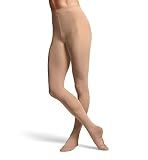
Bloch Dance Women's Contour Soft Adaptatoe Tights, Bloch Tan, Small/Medium
- CONVERTIBLE DESIGN: WEAR FOOTED OR FOOTLESS FOR VERSATILITY.
- IDEAL FOR MULTIPLE DANCE STYLES-SWITCH IT UP WITH EASE!
- COMFORT-FOCUSED WIDE WAISTBAND FOR ALL-DAY WEAR.


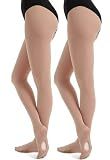
DUCMODA Women's Convertible Dance Performance Tights, Semi-Opaque Ultra-Soft Transition Ballet Stockings for Women and Girls-2 Nude-2X-Large
- CONVERTIBLE DESIGN: EASILY SWITCH BETWEEN FOOTED AND FOOTLESS STYLES.
- ULTRA SOFT & DURABLE: PREMIUM BLEND RESISTS SNAGS FOR LONG-LASTING WEAR.
- COMFORT-FOCUSED FIT: HIGH WAISTBAND OFFERS ALL-DAY COMFORT AND STYLE.
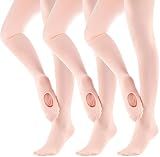
MdnMd 3 Pack Women's Dance Tights Ballet Ultra Soft Transition Footless Dancer Tight Stocking for Girls (Ballet Pink, Child Age 11-14)
- PERFECT GIFT SET: 3 PAIRS IN ELEGANT PACKAGING FOR DANCERS’ OCCASIONS.
- ULTRA-SOFT, DURABLE FABRIC: TEAR-RESISTANT AND DESIGNED FOR LASTING COMFORT.
- VERSATILE FIT: AVAILABLE IN ALL SIZES FOR DANCERS OF EVERY AGE AND SHAPE.
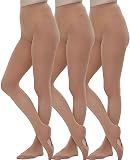
MANZI 3 Pairs Convertible Dance Tights for Women Transition Ballet Stockings Caramel Small-Medium
- CONVERTIBLE DESIGN: FOOTED OR FOOTLESS STYLING FOR VERSATILITY.
- ULTRA-SOFT, MOISTURE-WICKING FABRIC ENSURES COMFORT & DURABILITY.
- VALUE PACK: 3 PAIRS OF CARAMEL TIGHTS IN WIDE PLUS SIZE INCLUDED.
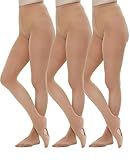
MANZI 3 Pairs Convertible Dance Tights for Women Transition Ballet Stockings Light Suntan Large-X-Large
- CONVERTIBLE DESIGN: FOOTED OR FOOTLESS FOR VERSATILE STYLING.
- ULTRA-SOFT, SNAG-FREE FABRIC ENSURES COMFORT AND DURABILITY.
- WIDE WAISTBAND KEEPS TIGHTS IN PLACE FOR MAXIMUM PERFORMANCE.
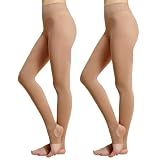
MANZI Women's Stirrup Tights Convertible Dance Tights Adult Women for Ballet Pack of 2 Light Suntan Meidum-Large
-
VERSATILE STYLES: EASILY SWITCH BETWEEN STIRRUP AND FOOTLESS OPTIONS!
-
FLATTERING SHADES: AVAILABLE IN 3 SKIN TONES FOR A PERFECT MATCH!
-
COMFORT FIT: ULTRA-SOFT WAISTBAND AND 4-WAY STRETCH FOR MAXIMUM FREEDOM!
What Is the Best Ballet Tight Denier in 2026? It’s the question serious dancers, dance parents, and teachers keep asking because the wrong tight can ruin line, comfort, and confidence in a single class.
If you’ve ever tugged at sagging tights during barre, worried about show-through under stage lights, or watched a pair ladder after one rehearsal, you already know denier isn’t just a technical detail. It affects opacity, durability, breathability, color payoff, and how polished your legs look.
Here’s the good news: the “best” ballet tight denier in 2026 isn’t one magic number for everyone. It depends on your level, dress code, performance needs, skin tone match, and whether you need convertible tights, footed tights, or transition tights. Let’s break down exactly how to choose the right denier, what most dancers get wrong, and which range tends to perform best in real life.
What Is the Best Ballet Tight Denier in 2026? The Short Answer
For most ballet dancers in 2026, the sweet spot is 40 to 70 denier.
That range gives you the best balance of coverage, stretch, durability, and clean stage appearance. It’s opaque enough for class and rehearsal, but still sleek and elegant rather than overly thick or matte.
That said, your ideal ballet tight denier changes based on use:
- 20 to 30 denier: best for ultra-light, sheer appearance and warmer weather
- 40 to 50 denier: best for everyday ballet class and a natural polished line
- 60 to 70 denier: best for stronger opacity, better durability, and frequent training
- 70+ denier: best for extra coverage, cooler studios, or dancers who prioritize modesty and support
If you want one practical recommendation, start with 50 denier ballet tights. In my experience, that’s the most versatile option for class, rehearsal, and many performance settings.
Why Ballet Tight Denier Matters More Than Most Dancers Realize
Denier refers to the thickness of the fibers in the tights.
Lower denier tights look lighter and sheerer. Higher denier tights look denser, feel more supportive, and usually last longer.
Sounds simple. But on the body, denier changes everything.
A 20 denier pair may look beautiful in a product photo, yet feel too transparent under bright studio lighting. A 70 denier pair may feel wonderfully secure, but some dancers find it slightly too heavy for a classical aesthetic.
That’s why What Is the Best Ballet Tight Denier in 2026? isn’t just a fashion question. It’s a performance question.
What to Look For if You’re Asking What Is the Best Ballet Tight Denier in 2026?
The smartest way to choose is to look beyond denier alone. Here are the key features that separate a “good enough” pair from a pair you’ll actually want to wear all week.
1. Opacity under studio and stage lighting
Tights can look opaque in your bedroom and suddenly appear sheer in a mirrored studio.
If you train under bright overhead lights or perform often, choose a denier that maintains even coverage in motion, especially during pliés, développés, and floor work.
2. Stretch and recovery
A great ballet tight should stretch with you, then snap back without bagging at the knees or ankles.
Poor recovery is one of the quickest signs that the denier-fabric balance is off. This matters just as much as thickness.
3. Waistband comfort
Even excellent dancewear essentials become distracting if the waistband rolls or digs in.
Look for a smooth, secure waistband that stays put through barre and center. Comfort affects posture more than people think.
4. Durability and snag resistance
If you dance several days a week, denier becomes a cost-per-wear issue.
Higher denier often means better resistance to runs and ladders, though knit quality matters too. For intensive training, durability should rank high on your list.
5. Finish: matte vs slightly silky
Some tights have a soft matte finish; others reflect more light.
For ballet, many dancers prefer a clean matte leg line because it looks classic and photographs well. But a slight sheen can enhance the look of extension on stage.
6. Foot style
Your ideal denier may vary by style:
- Footed ballet tights often feel smoother and more traditional
- Convertible tights offer versatility for pointe work and quick shoe changes
- Stirrup tights can suit contemporary crossover training
If you’re comparing tights for different disciplines, this guide on leotard differences in dance and gymnastics helps clarify why dance-specific fit matters.
7. Color match
The wrong tone can make even premium tights look off.
Dancers today are also expecting better skin tone inclusivity, so denier should work with color depth rather than wash it out or turn ashy under light.
20 Denier vs 40 Denier vs 70 Denier: Which Is Better?
This is where the decision gets practical.
20 to 30 denier: light and elegant, but limited
These tights feel airy and look refined. They’re often ideal for dancers who want a barely-there feel or live in hot climates.
The downside? They can be less forgiving, less durable, and more transparent than expected. If you’re hard on tights, this range may frustrate you.
40 to 50 denier: the all-around winner
For many dancers, this is the answer to What Is the Best Ballet Tight Denier in 2026?
You get a polished leg line, solid opacity, and enough softness for daily wear. For pre-professional students, adult beginners, and teachers, this is usually the most reliable choice.
60 to 70 denier: ideal for heavy use
This range works beautifully if you need more support and confidence.
It’s especially useful for rehearsals, colder studios, or dancers who want less show-through without sacrificing too much elegance. If you’ve had problems with tearing, upgrading to this range can be a game changer.
Benefits of Choosing the Right Ballet Tight Denier
The right denier doesn’t just look better. It makes dancing easier.
Here’s why it matters in real life:
- Better confidence: You stop worrying about transparency or uneven coverage
- Cleaner lines: Your legs appear smooth and consistent from hip to ankle
- Improved comfort: The right thickness helps tights stay in place without constant adjusting
- More longevity: Better denier selection often means fewer runs and replacements
- Dress code compliance: Many schools and academies have strict expectations around opacity and finish
- Easier transitions: A good pair of convertible ballet tights supports class, rehearsal, and pointe prep
That last point matters if you’re building a full dance wardrobe. If you’re also cross-training, you may want to compare your tights with footwear options like these best dance sneakers 2023 for conditioning and non-ballet sessions.
What Is the Best Ballet Tight Denier in 2026 for Different Dancers?
The best denier depends heavily on who you are and how you dance.
For young students
Go for 40 to 60 denier.
You want enough opacity for school standards and enough durability to survive frequent washing, rushed changing rooms, and busy class schedules.
For adult beginners
Choose 50 to 70 denier if you’re self-conscious about coverage.
This range tends to feel more secure and flattering, especially if you’re still getting used to ballet dress codes.
For pre-professional and serious recreational dancers
A 40 to 50 denier pair is often perfect for class, while 60 to 70 denier works well for rehearsal-heavy weeks.
Many experienced dancers keep both. One isn’t “better” in every scenario.
For performances
This depends on costume, lighting, and teacher preference.
Under strong stage lights, many dancers prefer the visual reliability of 40 to 70 denier. Too sheer can disappear; too thick can dull the line.
For warm studios or summer intensives
A 30 to 40 denier option may feel more breathable.
Still, always test it with your ballet slippers, leotard, and studio lighting before committing.
Pro Tips From a Real-World Ballet Tight Routine
After years around studios, fitting rooms, backstage quick changes, and dress code debates, a few patterns show up again and again.
Buy for lighting, not just comfort
A pair that feels amazing at home can fail under fluorescent lights.
Pro tip: Do a squat, tendu, and leg lift in front of a bright mirror before deciding a denier works for class.
Keep two denier ranges in rotation
Most dancers shouldn’t rely on only one pair style.
A lighter pair for heat and a slightly denser pair for everyday use gives you flexibility without overthinking every outfit.
Don’t confuse “thicker” with “better”
Ultra-thick tights can flatten the elegant look many ballet dancers want.
If you’re asking What Is the Best Ballet Tight Denier in 2026?, remember the goal is balance, not maximum density.
Wash them like performance gear
Cold water, gentle cycle, mesh bag, and air dry.
This simple routine extends the life of opaque ballet tights dramatically and helps preserve elasticity.
Match tights to your schedule
If you dance once a week, a moderate denier is usually fine.
If you’re in class four to six days a week, prioritize recovery, seam quality, and snag resistance. Your future self will thank you.
💡 Did you know: Many dancers blame poor fit on size alone, but denier plays a huge role in how tights feel around the knees, waistband, and arches.
Common Mistakes to Avoid
A lot of dancers waste money here.
Avoid these common errors:
- Buying the sheerest option because it looks “professional”
- Ignoring how tights perform under bright studio light
- Choosing based only on softness in the package
- Wearing one denier for every setting
- Replacing torn tights too often instead of upgrading durability
- Assuming all dance tights in the same denier feel identical
If budget is part of your buying decision, be smart about prioritizing essentials first. Broader money decisions matter too, and solid personal loan guidance can help if you’re managing larger training or costume expenses.
How to Get Started: Choose Your Best Ballet Tight Denier in 2026
If you’re still unsure, don’t overcomplicate it. Start with a simple process.
Step 1: Identify your main use
Ask yourself:
- Class only?
- Class plus rehearsal?
- Performance?
- Pointe and quick changes?
- Hot studio or cold studio?
Your answer narrows the denier range fast.
Step 2: Start with 50 denier
If you want the safest all-purpose choice, begin here.
It offers the best compromise between sheer ballet tights and heavy opaque styles.
Step 3: Test movement and lighting
Try the tights with your leotard, shoes, and warm-up routine.
Do a few combinations, check the mirror, and see whether the coverage stays even.
Step 4: Add a backup pair in another range
Once you know your baseline, add either:
- A lighter 30 to 40 denier pair for heat, or
- A denser 60 to 70 denier pair for rehearsal and support
Step 5: Build a practical dance wardrobe
The best choices work together.
If you’re shopping for recital season or team support gear too, you might also enjoy ideas for stylish dance mom apparel or even special event inspiration like planning a dance proposal if dance is part of a bigger life moment.
The Final Verdict on What Is the Best Ballet Tight Denier in 2026?
For most dancers, 40 to 70 denier is the best overall range, with 50 denier standing out as the most versatile choice.
It gives you enough opacity for confidence, enough stretch for movement, and enough durability to handle real training. If you want tights that look elegant, hold up better, and let you focus on dancing instead of adjusting, that’s where to begin.
Your next move is simple: check your studio dress code, choose one 50 denier ballet tight and one backup pair in a lighter or heavier range, then test both under real class conditions. Once you feel the difference, you’ll never treat denier like a small detail again.
Frequently Asked Questions
what denier tights are best for ballet class?
For most ballet class settings, 40 to 50 denier is the best starting point. It gives you a smooth, polished look with enough opacity for studio lighting and enough flexibility for daily movement.
are 70 denier tights too thick for ballet?
Not necessarily. 70 denier ballet tights can be excellent for rehearsals, cooler studios, and dancers who want more coverage or durability, though some may find them slightly heavier-looking for a very classical aesthetic.
should ballet tights be sheer or opaque?
Most dancers do best with tights that are lightly opaque rather than fully sheer. You want a clean leg line and reliable coverage, especially under bright lights and during deeper movement.
what is the best ballet tight denier in 2026 for adults starting ballet?
For adult beginners, 50 to 70 denier is often the most comfortable and confidence-boosting range. It offers better coverage, feels more supportive, and usually reduces self-consciousness during class.
are more expensive ballet tights always better?
No. Higher cost doesn’t automatically mean better fit, better denier balance, or longer wear. The best purchase is the pair that matches your training frequency, lighting needs, and preferred level of opacity.