
Best System Design Books to Buy in October 2026
Designing Data-Intensive Applications: The Big Ideas Behind Reliable, Scalable, and Maintainable Systems


Design Patterns: Elements of Reusable Object-Oriented Software
- EXCEPTIONAL QUALITY GUARANTEES CUSTOMER SATISFACTION AND LOYALTY.
- UNIQUE DESIGN SETS IT APART FROM COMPETITORS IN THE MARKET.
- LIMITED-TIME OFFERS CREATE URGENCY AND BOOST IMMEDIATE PURCHASES.
Designing Machine Learning Systems: An Iterative Process for Production-Ready Applications
Clean Architecture: A Craftsman's Guide to Software Structure and Design (Robert C. Martin Series)
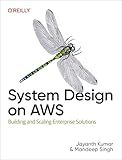
System Design on AWS: Building and Scaling Enterprise Solutions
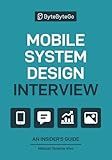
Mobile System Design Interview: An Insider’s Guide
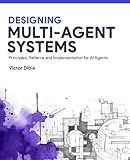
Designing Multi-Agent Systems: Principles, Patterns, and Implementation for AI Agents
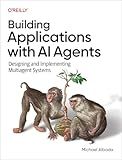
Building Applications with AI Agents: Designing and Implementing Multiagent Systems
Introduction
Navigating the realm of system design can be remarkably challenging, especially as technology relentlessly evolves. As we gaze into 2026, embracing top-notch system design practices becomes essential for designing robust and efficient systems. Whether you're a seasoned developer or a novice in the field, understanding and leveraging these practices will undoubtedly elevate your design approach. Let's delve into the world of system design and explore the top seven best practices that can shape your success.
Top 7 Best Practices in System Design
1. Embrace Modular Architecture
Designing systems with modular architecture is no longer optional-it's a necessity. By dividing your system into smaller, self-sufficient modules, you can improve scalability and ensure easier maintenance.
- Decouple components to minimize direct dependencies
- Facilitate independent development and deployment of modules
- Simplify testing and debugging processes
2. Prioritize Scalability
Scalability is what enables your system to handle growth smoothly without diminishing performance. A scalable design is crucial for accommodating future demands.
- Implement caching strategies to enhance performance
- Opt for horizontal scaling to increase capacity
- Use load balancers to distribute traffic efficiently
3. Focus on Reliability and Fault Tolerance
Building a reliable system ensures continuous service, even when components fail. Embrace fault tolerance to maintain system availability and data integrity.
- Incorporate redundancy to prevent single points of failure
- Use techniques like circuit breaking and graceful degradation
- Ensure robust error handling and logging mechanisms
4. Enhance Security Protocols
With the surge in cyber threats, cybersecurity remains paramount. Implement comprehensive security protocols to protect data and ensure user trust.
- Apply strong encryption methods for data protection
- Implement regular security audits and vulnerability assessments
- Ensure proper authentication and authorization controls
5. Optimize for Performance
Performance optimization is crucial in delivering a seamless user experience. Strive for efficient data processing and quick response times.
- Simplify algorithms and data structures for speed
- Minimize latency with optimized network architecture
- Regularly monitor and analyze system performance metrics
6. Implement Continuous Integration/Continuous Deployment (CI/CD)
The adoption of CI/CD in system design allows for rapid development cycles and minimizes manual intervention.
- Automate testing to ensure code quality
- Seamlessly integrate new features with continuous delivery
- Enable faster bug fixes and updates with efficient deployment pipelines
7. Focus on User-Centric Design
Ultimately, system design should revolve around the end-user. Prioritizing user-centric design enhances usability and satisfaction.
- Conduct regular user testing and feedback sessions
- Design intuitive and accessible user interfaces
- Iterate on design improvements based on user needs
How to Choose the Right System Design Book
Selecting a valuable system design book can be pivotal for enhancing your knowledge and skills. Consider these criteria when making your choice:
- Author Expertise: Look for books authored by experienced developers or industry leaders.
- Content Depth: Ensure the book covers fundamental concepts and advanced techniques.
- Up-to-Date Information: Verify that the content reflects recent developments in system design.
- Practical Examples: Prefer books that include real-world case studies and applications.
- Review and Ratings: Check for positive reviews and high ratings from reliable sources.
Frequently Asked Questions (FAQs)
What are the fundamental principles of system design?
System design principles revolve around modularity, scalability, reliability, and performance. By employing these principles, developers can create efficient and effective systems.
How important is security in system design?
Security is crucial in system design as it protects sensitive data and maintains user trust. Implementing robust security measures helps prevent unauthorized access and cyber threats.
Why is modular architecture preferred in system design?
Modular architecture enhances system flexibility, scalability, and maintainability. It allows developers to update, test, and deploy system components independently.
What resources can help improve my system design skills?
Diving into comprehensive system design books and practicing coding challenges are beneficial. Exploring modern Perl programming techniques and tackling common algorithm questions in Python from 2025 can also enrich your understanding.
As technology continues to evolve, the best practices of system design in 2026 will help you create resilient and scalable systems. Embrace these strategies and make informed decisions in your design journey.