
Best Samsung Monitors to Buy in October 2026
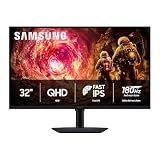
Samsung 32” Odyssey G5 (G50F) Series QHD Gaming Monitor
-
EXHILARATING QHD VISUALS FOR IMMERSIVE GAMING EXPERIENCES.
-
ULTRA-SMOOTH 180HZ REFRESH RATE WITH 1MS RESPONSE TIME.
-
ENHANCED ACCURACY WITH BLACK EQUALIZER AND VIRTUAL AIM POINT FEATURES.


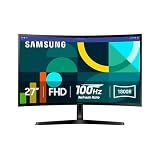
Samsung 27" Essential S3 (S36GD) Series FHD 1800R Curved Computer Monitor
- CURVED DESIGN ENHANCES IMMERSION, REDUCING DISTRACTIONS FOR GAMERS.
- 100HZ REFRESH RATE ENSURES SMOOTH VISUALS, PERFECT FOR FAST ACTION.
- EYE COMFORT TECHNOLOGY MINIMIZES STRAIN FOR LONG GAMING SESSIONS.
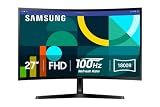
Samsung 27" Essential S3 (S36GD) Series FHD 1800R Curved Computer Monitor
- CURVED DESIGN ENHANCES ENGAGEMENT: IMMERSIVE VIEWING FOR DEEPER FOCUS.
- SMOOTH 100HZ PERFORMANCE: ENJOY SEAMLESS ACTION-NO LAG, NO BLUR.
- CUSTOMIZABLE GAME MODE: OPTIMIZE SETTINGS FOR VIVID VISUALS AND DETAIL.
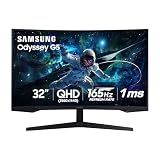
Samsung 32" Odyssey (G55C) Series QHD 1000R Curved Gaming Monitor,
- QHD RESOLUTION: 1.7X PIXEL DENSITY FOR STUNNING, DETAILED VISUALS.
- 165HZ REFRESH RATE: EXPERIENCE LAG-FREE, LIGHTNING-FAST GAMEPLAY.
- 1000R CURVED DISPLAY: IMMERSIVE VISUALS THAT ENGAGE YOUR PERIPHERAL VISION.
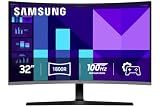
Samsung 32" S3 (S39GD) Series FHD 100Hz Curved Monitor
-
IMMERSIVE CURVED DISPLAY: ENGAGES USERS WITH WIDE, DEPTH-ENHANCED VIEWS.
-
100HZ REFRESH RATE: DELIVERS SMOOTH PERFORMANCE FOR GAMING AND CONTENT.
-
BUILT-IN SPEAKERS: SAVE SPACE AND SIMPLIFY SETUP WITHOUT SACRIFICING SOUND.
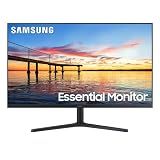
Samsung 32" Flat Computer Monitor
-
BORDERLESS DESIGN: ENJOY A SEAMLESS, MODERN MULTI-MONITOR EXPERIENCE.
-
SMOOTH ACTION: AMD FREESYNC ELIMINATES IMAGE TEARING FOR FLUID VISUALS.
-
EYE COMFORT: ADVANCED TECH REDUCES STRAIN, ENHANCING EXTENDED VIEWING TIME.
As designers strive for precision and clarity in their work, choosing the right monitor becomes essential. In 2025, the Samsung Tu87f monitor is a popular option many designers consider. So, is it a good fit for your design work needs?
Understanding the Samsung Monitor Landscape
Samsung has long been a leader in the electronics industry, providing a range of monitors that cater to various professional needs. Their displays are renowned for their clarity, color accuracy, and innovative features. When it comes to design work-where every pixel matters-choosing a monitor with high resolution and accurate color representation is crucial.
Key Considerations for Design Monitors
When evaluating whether the Samsung Tu87f is suitable for your design needs, consider the following aspects:
Resolution
In design work, a 4K resolution can make a significant difference in how well you see fine details. The availability of budget 4K monitors has grown, making high-resolution displays more accessible. Ensure that the monitor of your choice meets the resolution requirements for your specific design software and projects.
Color Accuracy
Color accuracy is essential for ensuring that prints match screen visuals and that digital media looks professional. Investigate the color calibration capabilities and coverage of standards such as Adobe RGB or sRGB in the monitor you are considering.
Size and Ergonomics
The physical size of the monitor and adjustability features, such as height, tilt, and swivel, can greatly impact your comfort and productivity. Assess your workspace and determine the ideal size for your setup.
Enhancing Display Quality
While the hardware specifications of a monitor are vital, optimizing its settings can further improve performance. Techniques to enhance display quality can be found in resources such as this article on portable monitor display quality.
The Role of Connectivity in Design Monitors
Modern design tasks often require robust connectivity options for peripherals and external devices. Make sure the monitor supports the connections you need, such as HDMI, DisplayPort, or USB-C, to integrate seamlessly into your workflow.
Conclusion
While the Samsung Tu87f offers an array of features that could support design work in 2026, it’s critical to assess your specific needs and how they align with the monitor's capabilities. Consider aspects like resolution, color accuracy, size, and connectivity to ensure you've chosen the right tool for your creative endeavors.
For further professional tasks such as debugging or performance monitoring of software, you might find resources like Jenkins performance monitoring useful.
In conclusion, choosing the right monitor for design work involves balancing multiple factors that align with both your immediate needs and future requirements. By doing so, you can ensure that your investment leads to enhanced productivity and satisfaction.